01
Make space for your interests
Talk about the things you enjoy, an activity you’ve missed or something you’re curious to try. The starting point can be as small and familiar as you like.

Community participation
Familiar places. New interests. Time with other people. Community participation starts with what matters to you, and the support that could help you take part.
What we can discuss
A visit to the library, a favourite café or a hobby you’d like to explore. There is no single way to participate. We begin with the places, people and activities you want in your life.
The examples below are starting points for a conversation. Specific support and arrangements are agreed before a service begins.
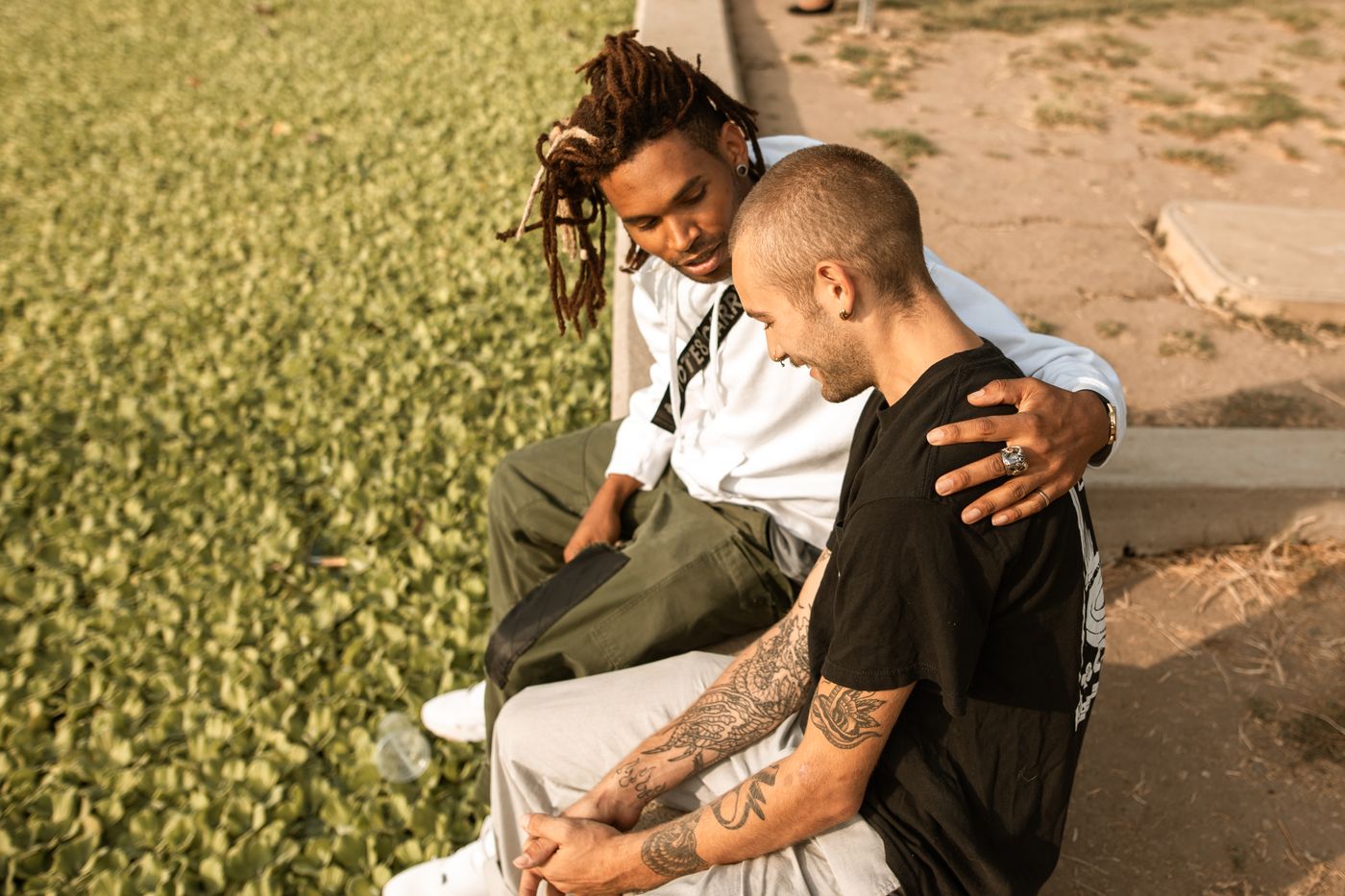
A little connection can start somewhere familiar.
01
Talk about the things you enjoy, an activity you’ve missed or something you’re curious to try. The starting point can be as small and familiar as you like.
02
Explore support for local outings and social activities, with attention to how you like to communicate, make choices and spend your time.
03
Consider what would make an experience more manageable: information in advance, a shorter visit, a familiar routine or time to practise.
Our approach
You might know exactly what you want to do, or want help thinking through the possibilities. Your preferences guide the conversation, including what you would rather avoid.
You can ask questions, change your mind and talk about a different pace.
A familiar place, an existing interest or a new experience. Talk about what would make it worthwhile for you.
Discuss timing, accessibility, communication, travel and the kind of assistance you prefer. Clarify arrangements before making a plan.
Talk about what felt comfortable, what was useful and what you’d like to change. The next step can be different from the first.
From interest to experience
Community life doesn’t need to mean a busy calendar. A small, meaningful experience can be a useful place to begin.
Illustrative situations, not client stories or confirmed service arrangements.
01
You might want to revisit a local library, café or park. Discuss what you like about the place, a comfortable time to go and whether a short first visit would suit you.
A question to start with
“What would help this feel comfortable again?”
02
Perhaps you enjoy art, gardening or music and would like to explore a local activity. Before deciding, talk through the environment, access, cost and what you’d like to know ahead of time.
A question to start with
“Could I find out more before deciding to join?”
03
You may want to spend time with other people while doing something you enjoy. A quieter setting, a familiar activity or a shorter visit might be worth discussing as a first step.
A question to start with
“What kind of company and setting would suit me?”
Before heading out
Your comfort and access
Discuss busy spaces, seating, breaks, communication and any accessibility questions that matter to you.
Travel, timing and costs
Confirm meeting arrangements, transport, admission fees and any other expenses. Don’t assume they are included.
A plan that can change
Talk about what to do if the weather changes, a venue is too busy or you’d prefer to stop or try something else.
Useful to know
It’s okay if you’re still working out what you’d like. These answers can help you begin the conversation.
No group activity is assumed. Talk with us about the type of participation you prefer, whether that means an individual outing or exploring an activity with others. The available format and support arrangements need to be confirmed.
Yes. Your interests are the starting point. You can suggest a place, hobby or activity, and discuss its suitability, accessibility and the practical support involved before an arrangement is made.
Share what feels unfamiliar and what might make the experience easier. You can discuss information beforehand, a quieter time, a shorter visit or a familiar starting point. We would agree on what is practical together.
Transport, travel, admission fees, meals and other activity expenses need to be discussed and confirmed separately. Ask what is included in the proposed support and which costs would be your responsibility before agreeing to it.
The activity or goal, the support involved, timing, access and safety considerations, travel, costs and how to request a change. Any funding questions also need to be clarified for your circumstances; this page does not establish eligibility or coverage.
Getting started
You don’t need a complete activity plan to get in touch. Start with an interest, a question or something you’d like to make easier.
01
Share a little about what you enjoy, what you’d like to do and the support you’re looking for.
02
Ask about possible arrangements, availability and what needs to be clarified for your situation.
03
Confirm the scope, schedule, responsibilities and costs, including how to raise questions or request changes.
Explore more
Practical support for everyday routines and tasks at home.
Understanding your options and connecting the supports around you.
A starting point
Start with what matters to you. We can talk through your questions and what a suitable next step might involve.
Please keep your first message brief. You don’t need to email medical records or other sensitive documents to start a conversation.